
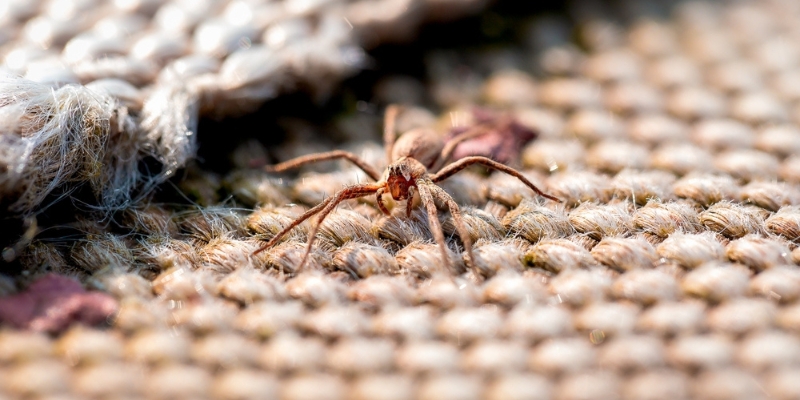
Life near the Central Coast comes with environmental conditions that differ from those farther inland. Mild temperatures, established landscaping, marine influence, and outdoor spaces used through much of the year can shape the pest activity homeowners notice. So when fresh webs start appearing along the porch, a spider settles beside the garage, or silk stretches between patio furniture overnight, it is reasonable to wonder whether living close to the beach has something to do with it.
The coast can influence spider activity, but proximity to the ocean does not automatically mean your home will have more spiders. These predators settle where they can find suitable hunting areas, shelter, and places that remain relatively undisturbed. The conditions immediately surrounding a house often matter more than its distance from the shoreline. For homeowners dealing with persistent activity, local spider control services can help determine what is making a particular property favorable rather than treating coastal living itself as the cause.
Your Address Matters Less Than Your Property’s Environment
Two homes on the same coastal street can have noticeably different spider activity. One property may have open space around the exterior, limited nighttime lighting, and few protected corners. Next door, mature plants may crowd the structure while covered storage, roof overhangs, and rarely disturbed outdoor areas create numerous places for spiders to establish themselves.
That difference is important because spiders respond to usable habitat, not neighborhood boundaries. A house several miles inland can provide better conditions for them than one within walking distance of the ocean. Looking at the immediate surroundings therefore gives homeowners a more useful starting point than assuming every spider sighting is simply part of living near the beach.
Mild Coastal Weather Can Keep the Food Chain Moving
San Luis Obispo County’s relatively mild climate can allow many insects to remain active through substantial portions of the year. That matters because spiders are predators. Flies, mosquitoes, moths, and numerous smaller insects can provide a continuing food source wherever conditions support them.
This relationship helps explain why spider activity can persist even after individual spiders are removed. Eliminating the predator you notice does not necessarily change the food supply that made the location useful. A steady presence of insects can keep an area attractive to other spiders, particularly when nearby shelter gives them a protected place to hunt.
Follow the Webs and You May Find the Real Problem
Where a web appears can reveal useful information about what is happening around the property. Silk concentrated near porch lights, garage fixtures, or illuminated windows may correspond with nighttime insect traffic. Corners beneath eaves and overhangs offer another advantage: they provide anchor points while protecting webs from wind, rain, foot traffic, and routine disturbance. In these locations, the web itself becomes a clue rather than merely something to sweep away.
Patterns elsewhere can tell a different story. Silk appearing throughout shrubs may point toward an active outdoor habitat, while activity concentrated around a garage can suggest that spiders have found dependable shelter there. Pay attention to where new webs emerge after old ones are cleared. Mapping those locations mentally can help distinguish an isolated visitor from sections of the property that repeatedly support spider activity.
Landscaping Can Quietly Create Spider Territory
A well-landscaped yard can contain many small habitats that are easy to overlook. Thick ground cover creates protected spaces near the soil, vines offer climbing routes, and mature shrubs provide countless attachment points for webs. Branches extending toward rooflines can bring this outdoor habitat even closer to the structure. None of these features is inherently problematic, but their placement can influence how easily spiders occupy the perimeter of a home.
The goal is not to remove the landscape that makes a coastal property attractive. Strategic maintenance can preserve the yard while creating useful separation from the house. Pruning plants away from siding and windows, keeping branches from resting on the roof, clearing accumulated leaves, and moving unused materials away from the foundation can reduce protected spaces along the perimeter. This creates a clearer boundary between garden habitat and the areas where people live.
Where to Check for Spider Activity Around Your Home
Rather than searching the entire property at random, homeowners can concentrate on locations that tend to receive less disturbance or provide useful shelter. A quick inspection every so often can make emerging patterns easier to catch before they become a regular nuisance.
Pay particular attention to:
- Rooflines and eaves: Look into recessed corners, beneath overhangs, and around exterior trim.
- Porches and entry areas: Check corners above doors, railings, columns, and nearby fixtures.
- Garages and sheds: Examine wall-to-ceiling junctions, shelving, stored belongings, and areas behind equipment.
- Patios and outdoor furniture: Look beneath tables, chairs, grills, planters, and items that remain stationary.
- Utility areas: Inspect around exterior boxes, pipes, conduit, and other fixtures attached to the structure.
- Low-traffic spaces: Side yards, narrow passages, and protected corners can go unnoticed during normal household routines.
The value of this inspection is not simply finding spiders. It can show where activity is concentrated, giving you a clearer idea of which parts of the property deserve attention.
Is Moisture Part of the Problem?
Moisture can play a role in coastal pest activity, but its connection to spiders is often indirect. Damp conditions can support other small organisms and insects, creating productive hunting areas without moisture itself being the primary attraction for the spider.
For that reason, it is worth looking beyond normal coastal humidity. A leaking hose bib, drainage that leaves an area wet for extended periods, excessive irrigation, water collecting beneath containers, or a shaded section that rarely dries can change the immediate environment. Correcting unnecessary moisture sources removes one factor that may be contributing to broader pest activity while helping protect the property from moisture-related issues at the same time.
The Trip From the Yard to Your Living Room Can Be Short
Outdoor spiders are one thing; finding them repeatedly inside the house raises a different question: how are they getting in? Spiders can use surprisingly small openings around a structure. Worn door sweeps, damaged window screens, cracks around frames, poorly sealed garage doors, and spaces where cables or plumbing pass through exterior walls can provide routes indoors.
Household storage deserves attention as well. Seasonal decorations, boxes, tools, and equipment left untouched in garages or sheds provide quiet hiding places. Inspecting these items before carrying them into living areas can prevent unwanted hitchhikers from coming with them. An occasional indoor spider can happen even in a well-maintained home, but frequent sightings in different rooms are a good reason to examine access points more carefully.
Small Changes Can Make Your Home Less Spider-Friendly
Once you know what to look for, prevention becomes much more practical. Instead of reacting to each sighting separately, focus on changes that reduce the opportunities spiders have around the structure.
A useful homeowner action plan can include:
- Create a cleaner perimeter: Maintain some space between exterior walls and plants, stored materials, or yard debris.
- Seal obvious access routes: Repair damaged screens, replace worn weather stripping, and close visible gaps where appropriate.
- Reconsider problem lighting areas: When a fixture consistently draws large numbers of insects, evaluate its placement and how activity around it might be managed.
- Stay ahead of established webbing: Remove webs during routine exterior maintenance and note locations where new activity develops.
- Rotate and inspect stored items: Moving long-undisturbed belongings occasionally makes garages and sheds less dependable as hiding places.
- Address preventable dampness: Repair leaks and correct drainage or irrigation issues that leave sections of the property unnecessarily wet.
These steps are most useful as a combined routine rather than isolated fixes. They give homeowners a way to change the environment gradually while making it easier to notice when spider pressure begins increasing in a particular area.
Why Spraying the Spider You See Can Miss the Bigger Picture
A visible spider is the easiest part of the problem to notice, which makes it tempting to focus entirely on removing it. That approach may provide immediate relief, but it says little about why the spider chose that location. When another appears days or weeks later, it may simply be taking advantage of a space that remains suitable.
Effective control therefore requires more than counting how many spiders are present. Species, location, surrounding pest pressure, structural features, and outdoor conditions can all influence the appropriate response. Looking at those factors helps separate a temporary sighting from an ongoing property issue and avoids relying solely on repeated spot treatments.
Coastal Living Doesn’t Guarantee a Spider Problem
Living near the beach can create favorable conditions for spiders, but that does not mean every coastal home will experience frequent activity. What happens around an individual property matters far more. Landscaping, available shelter, nearby insect activity, exterior lighting, and access points can all determine whether spiders find a home worth sticking around.
That means homeowners have plenty of opportunities to make their property less inviting. Keeping vegetation away from the structure, reducing unnecessary insect activity around lights, sealing potential entry points, and removing recurring webs can all help limit the places spiders use to hunt and hide.
When spiders continue returning despite those efforts, The Pest Posse Too can help identify what is keeping them active around your property. With more than 20 years of experience serving San Luis Obispo County, our licensed technicians provide eco-conscious spider control tailored to the conditions around each home. Contact us today to find out what may be driving spider activity around your coastal property and what can be done to keep it under control.