Proudly Serving Pismo Beach & All of Southern SLO County
Call or text now: (805) 550-2959
Categories
Cockroach Control

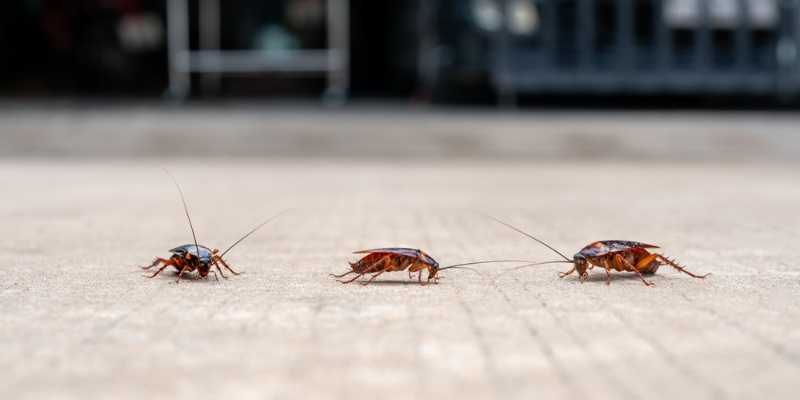
Look Out, San Luis Obispo: Outdoor Cockroaches Are Moving In

If you’ve called us lately about cockroaches showing up in your yard, you’re not imagining things, and you’re not alone. We’ve started fielding a steady stream of calls right here in San Luis Obispo about outdoor cockroaches, and honestly, it’s a situation we’d rather get ahead of than clean up after.

A Warning From My San Jose Days

Before I started The Pest Posse Too, I spent years working pest control in Santa Clara County, and San Jose had an outdoor cockroach problem that had to be seen to be believed.

In some neighborhoods, outdoor cockroaches made up roughly three-quarters of our business. Customers would call in a panic, telling us they couldn’t walk the dog after dark without crunching across cockroaches on the sidewalk. It was that bad.

We got good at knocking it back with the right green approach—good enough that some customers joked it looked like a tiny war zone in the yard for a few days afterward (all cockroaches, no collateral damage).

San Luis Obispo hasn’t gotten anywhere near that point yet. But if we let it go unchecked, there’s no reason to think it couldn’t head that direction. Better to nip it now while it’s still a manageable, “huh, weird” problem instead of a “why can’t I use my patio at night?” problem.

Meet the Culprits

Locally, we’re mostly dealing with two species: the Oriental cockroach and the Turkestan cockroach.

Quick aside, because I know it’s the first question that pops into your head when you hear those names: No, they weren’t named for anything sinister. Entomologists name a species after wherever the specimen used to identify it was originally collected, not necessarily where the species is actually from. The Turkestan cockroach was first documented in the region of Turkestan, and the Oriental cockroach was first documented in what was then called “the Orient.” That’s it—that’s the whole story. Bugs don’t have passports.

What matters more than the name is the behavior. Both of these cockroaches are moisture lovers. Their favorite real estate around your property includes:

  • Water meter boxes (that little concrete lid you never think about is basically a cockroach condo)
  • Mulch beds
  • Anywhere with decaying organic matter to feed on
  • Garages and other cool, damp corners of the yard

The Green Fix: Feed Them, Don’t Douse Them

Here’s the part I actually get excited about. Because these cockroaches are scavengers looking for decaying organic matter, we can use their own appetite against them instead of blanket-spraying your whole yard.

Targeted baiting lets us treat the specific spots where they’re hiding and feeding—water meter boxes, mulch beds, garage perimeters—rather than saturating your entire property with broad insecticide. That’s a meaningfully lower-risk approach for your kids, pets, and food garden.

Because we’re not relying on a systemic insecticide, you don’t have to worry about anything being pulled up into your vegetables or flowers the way fertilizer would be absorbed. We can treat right at the edge of a vegetable bed or under a rose bush without a second thought.

It’s slower and more targeted than just hosing everything down, but it’s also the reason our customers in San Jose kept their yards, their gardens, and their peace of mind—even in a much tougher cockroach environment than we have here.

A Few Things You Can Do in the Meantime

While you’re waiting to get on the schedule—or just want to make your yard a little less appealing to these guys—a few small habits go a long way:

  • Check your water meter box: If you can pop the lid and see standing moisture or debris inside, that’s prime real estate. It’s worth a peek every so often.
  • Pull mulch back from your foundation: A few inches of clearance between mulch and your house won’t stop cockroaches from living in the yard, but it makes your home itself a lot less inviting.
  • Clear out excess yard debris: Piles of leaves, grass clippings, or old wood are basically an all-you-can-eat buffet.
  • Fix the drips: A leaky hose bib or irrigation line is often the single biggest moisture draw on a property.

None of these will solve an established outdoor cockroach population on their own—that’s what targeted baiting is for—but they make a real difference in how fast a population can build back up between visits.

What to Watch For

Keep an eye out for these guys around your water meter box, in mulch, and near garages—especially if you’re noticing them at dusk or after dark, which is prime cockroach commute time.

If you start spotting them, don’t wait it out. Outdoor cockroach populations are much easier to manage early than they are once they’ve settled in and started multiplying.

If you’ve seen any suspicious scuttling around your San Luis Obispo property, give us a call. We’d rather help you handle three or four cockroaches near the meter box today than deal with a San Jose-style situation a few summers from now.

As always, The Pest Posse Too is bringing you peace of mind, nature’s way.
Categories
Ant Control

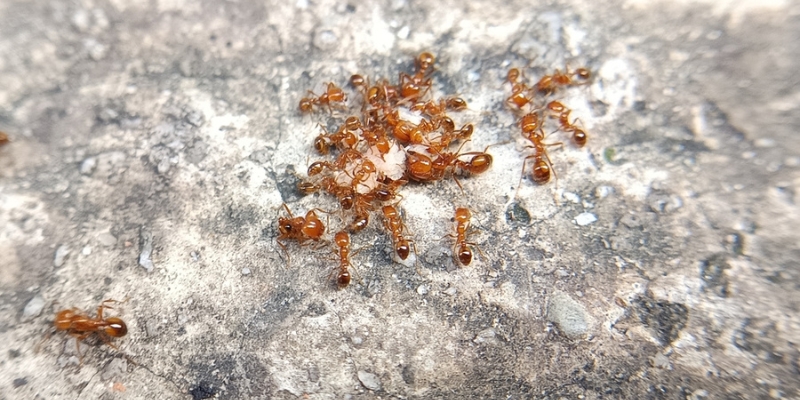
Cultural Practices for Ant Control, Part 2: The Sequel Your Ants Didn’t Want You to Read

Last time, we talked about cultural practices for green pest management—the free, no-spray, no-drama stuff you can do around your home to keep ants from ever needing a treatment in the first place.

Turns out we had way too much material for one blog, which either means ants are incredibly resourceful or homeowners are incredibly generous hosts. A little of both, probably. So here’s round two: four more ways your yard might be quietly running an ant bed-and-breakfast.

1. Your Trees and Shrubs Are Building a Staircase to Your Roof

One of the most common things I run into on inspections is trees and shrubs that have grown right up to the roofline, like they’re trying to shake hands with your gutters. It looks nice and shady until you realize you’ve built ants a private staircase straight into your attic.

And it gets better—a lot of these same trees and shrubs are hosting aphids, which means the ants aren’t just climbing up for the view. They’re climbing up for the buffet. Aphids produce a sweet substance called honeydew that ants absolutely love, so a tree full of aphids is basically an all-you-can-eat sign pointing at your roof.

Keep branches trimmed back a few feet from the house, and you remove the on-ramp entirely.

2. Weed Barriers: Great in Theory, a Five-Star Ant Resort in Practice

Everybody loves a weed barrier. Lay it down, forget about weeding, and live your best life—for about two to three years. After that, weeds start creeping back in anyway, so you’ve paid good money for a temporary win and, in the meantime, built the ants a beautiful underground clubhouse.

Weed barrier fabric creates the perfect dark, undisturbed harborage, and I’ve pulled back more than one and found a colony the size of a turkey platter living underneath, completely undisturbed, completely thriving, and completely unimpressed by my arrival.

So before you commit to a weed barrier, it’s worth asking: Is two or three weed-free years really worth the odds of an ant colony setting up permanent residence a few feet from your foundation?

3. Artificial Turf: Low Maintenance for You, High Rise Living for Ants

Artificial turf gets a lot of love around here for being maintenance-free, and it can be—if it’s installed correctly. When it’s not, and it sits a little loose over the soil, it behaves exactly like a weed barrier: dark, undisturbed, and irresistible to ants looking for a place to set up a kingdom on your property.

I had a customer with a brutal ant problem that traced straight back to turf he’d laid himself to save on installation costs, which, fair enough, isn’t cheap. When I peeled back a section, there was a colony roughly the size of a card table going absolutely berserk because I’d just rudely interrupted their afternoon.

We got great control because we found the source, but it’s a good reminder that a shortcut on installation can turn your low-maintenance lawn into a high-maintenance pest problem.

4. That Pile of “I’ll Deal With It Later” Against the House

We’ve all got a spot like this—the stack of lumber, the old pots, and the stuff that got leaned against the foundation “just for now” and quietly became a permanent fixture.

Over time, it turns into debris, and debris against the foundation is prime real estate for ants to trail along undisturbed, sometimes right up into the home, completely out of sight.

When I’m doing an inspection, this is one of the areas I genuinely can’t see behind. Some piles I can move; plenty I can’t. Clearing debris away from the foundation doesn’t just tidy up the yard; it takes away one more hiding spot ants are counting on.

The Takeaway (Ants Hate This One Trick)

Trim back trees and shrubs so they’re not touching the roofline, think twice before installing a weed barrier, make sure artificial turf goes in the right way, and clear the clutter along your foundation. None of this requires a single drop of product, professional or DIY, and together these habits go a long way toward keeping ants from ever becoming a problem worth spraying for in the first place.

That’s the whole idea behind cultural practices: win the war before it starts.

As always, The Pest Posse Too is here to bring you peace of mind, nature’s way.

Categories
Ant Control

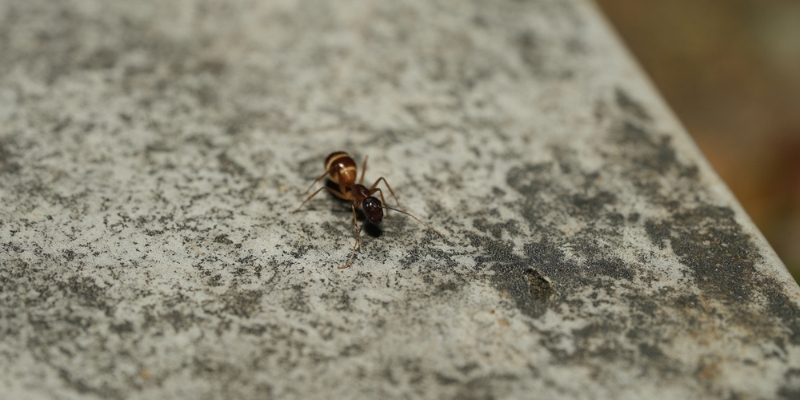
Cultural Practices for Ant Control: Green Pest Management Around Your Home

Ant problems are frequently treated like a pesticide problem—just spray and be done with it. And sometimes that’s true. But green pest control starts long before a treatment is ever needed.

There are several cultural practices you can use around your home to help keep ant populations under control naturally. Let’s walk through a few of them, along with some real experiences from the field that show just how much these small habits matter.

The Aphid Connection

Aphids—along with other piercing-sucking insects like mealybugs, scale, and whiteflies—secrete something called honeydew. Honeydew is the primary food source for many of our local ant species.

Ants will literally farm aphids like cattle: tending them, stroking them to encourage more honeydew production, keeping natural predators away, and even carrying aphids from one location to another so they can cultivate new “herds.” As we move into summer, this becomes one of the best food supplies an ant colony can find.

Oak trees are a notorious offender here. California oaks provide fantastic shade, but they can be loaded with aphids without you ever noticing a problem. Because these trees are so large, all it takes is a modest aphid population scattered throughout the canopy—not even dripping honeydew onto the concrete below—to give an entire ant colony a feast.

A few natural, eco-conscious ways to keep aphids in check:

  • Ladybugs: This is green pest control at its most classic—a natural predator doing the work instead of a chemical spray. Ladybugs are voracious eaters of aphids and other soft-bodied pests. The trick most people get wrong is releasing them during the day. Daytime releases usually result in them flying away. Instead, release them after the sun goes down so they’ll crawl into the bushes, discover the food supply, and stick around—often for a couple of generations, cleaning up the aphid problem with no further work on your part.
  • Hosing them off: A simple, zero-chemical option. Aphids come off easily, especially on smaller shrubs. (Not a practical option for an 80-foot oak, admittedly.)
  • Pruning and smart fertilizing: Keep bushes pruned, and don’t over-fertilize. A healthy fertilizing routine is good for your plants, but too much encourages fresh, tender new growth—exactly what aphids love most.

Moisture, Harborage, and the Unedged Lawn: Green Pest Control Basics

Ants—especially the species common in our area—nest in the ground and need moisture to survive. Drip-line irrigation is far better than overhead watering, which sends runoff onto concrete and sidewalks and keeps the cracks right next to them consistently moist. That’s exactly the kind of environment ants need to raise their young.

Unedged lawns make this worse. When turf hangs over a sidewalk or driveway instead of being cut back cleanly, it creates a harborage area no treatment can reach—that thick grass blocks access to the crack right underneath it. Keeping your lawn edged isn’t just about curb appeal (though it does make your yard look cleaner and more cared for).

Some of our local species, Argentine ants in particular, avoid trailing in direct sun, so a clean, exposed edge naturally discourages their movement. Cracked concrete and weedy areas create the same kind of hidden ant highway, so keeping weeds cleared out of cracks matters too. This is the heart of green pest control: small habits that make your yard naturally less inviting to ants in the first place.

Ivy on the Walls

Ivy growing on the wall of a home can look fantastic—but it also creates a perfect place for ants to live and a direct route into your house. (It also gives rodents an easy way to climb your walls, though that’s a topic for a future post.)

I had a job recently at a small hotel in downtown Pismo, near the Shell Beach area. They were getting ants in the office and the main suite, and it was driving them crazy. I went out a couple of times and honestly couldn’t identify the source. Then I looked at the front of the building — ivy everywhere. I started pulling it back and digging into it, and sure enough, there was a huge ant colony living right inside the ivy.

That was the whole problem. I placed ant bait directly inside the ivy where the ants could access it, and I haven’t heard back from them since—hopefully because the ants are gone for good.

If you want ants under control, keep ivy off your structure, or make sure it’s treated appropriately if you’re not ready to remove it.

Ivy on the Fence (and Other Structures)

Fences, retaining walls, and brick walls create the same problem as ivy on a house—great places for ants to build up away from the home itself. But once a colony gets large enough, which happens easily in our moist summer conditions, you can end up with a massive colony that seems to have no obvious source. In reality, it could be 50 or 100 feet away, tracing back to ivy on a wall or fence line.

Putting It Together: Green Pest Control You Can Start Today

These cultural practices—aphid control, smart irrigation, clean edging, and keeping ivy off structures—are some of the best ways to keep your yard free of ants naturally, perhaps even enough that you won’t need professional treatment as often.

These are exactly the things we check for on every service call: whether ants are farming aphids in your trees, trailing along your fence line, working the edges of your concrete, or nesting in ivy against your home. Cultural practices, done consistently, are the foundation of effective green pest control and can keep your yard more pest-free than you ever thought possible.

As always, The Pest Posse Too is bringing you peace of mind, nature’s way.
Categories
Mosquitoes

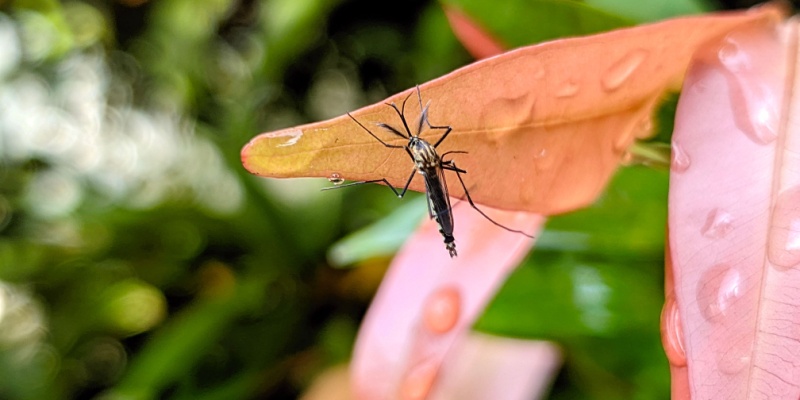
Best Ways to Reduce Mosquitoes in Your Pismo Beach Backyard

Backyard mosquito problems often start small but quickly grow out of control. By focusing on prevention and sustainable solutions, you can stop them before they spread. With warm evenings and coastal humidity, Pismo Beach backyards can quickly become prime breeding grounds, so tackling the issue early makes all the difference. Here are the best ways to reduce mosquitoes in your backyard.

Cut Off the Water Supply

Mosquitoes can’t reproduce without stagnant water. Even a shallow puddle or a forgotten toy left outside can host hundreds of larvae. Regularly empty buckets, plant saucers, and pet bowls, and don’t overlook rain‑filled items like wheelbarrows or tarps. For larger water sources such as rain barrels, use tight‑fitting lids or mesh covers to block access. By removing these breeding spots, you stop mosquitoes before they ever take flight.

It’s also worth checking less obvious places like clogged sprinkler heads, unused plant pots, or even the folds of outdoor furniture covers. These hidden pockets of moisture can sustain mosquito larvae for days. A quick weekly inspection of your yard can make a big difference in cutting off their life cycle.

Clear the Pathways for Drainage

When gutters or drains clog with leaves and debris, they trap moisture and create hidden nurseries for mosquitoes. Seasonal cleaning is essential, but adding gutter guards or mesh screens can make upkeep easier and prevent buildup. Beyond mosquito control, this step protects your home from leaks and water damage, making it a win-win for both pest prevention and property care.

If your property has French drains or underground piping, ensure they’re flowing properly. Slow drainage or standing water inside these systems can be overlooked but still provide breeding grounds. Professional inspections every few years can help keep these systems clear and mosquito‑free.

Keep Decorative Water Fresh

Birdbaths and fountains bring life to a backyard, but they also attract mosquitoes if the water sits still. Refresh birdbath water every few days, scrub surfaces to remove algae, and consider adding a small pump to fountains to keep water circulating. In ponds, introducing mosquito‑eating fish like gambusia offers a natural solution that keeps water features beautiful without inviting pests.

Another option is to use water treatments designed for ornamental features. These products disrupt mosquito larvae development without harming birds or pets. Combined with regular cleaning, they ensure your decorative water remains a highlight of your yard rather than a mosquito magnet.

Thin Out the Shade

Mosquitoes rest in cool, shaded areas during the day, often hiding in dense vegetation. Trimming hedges, thinning bushes, and mowing tall grass reduces these resting spots. Spacing plants strategically improves airflow and sunlight exposure, creating a less favorable environment for mosquitoes while keeping your landscape neat and healthy.

Consider integrating landscaping that discourages pests altogether. Gravel pathways, raised beds, or open lawn areas reduce dense foliage and limit mosquito hiding spots. This approach not only improves aesthetics but also creates a yard that’s naturally less inviting to mosquitoes.

Grow a Natural Defense Line

Certain plants act as deterrents, releasing scents mosquitoes dislike. Incorporating them into your garden beds or patio planters adds both beauty and protection. Some of the most effective options include:

  • Citronella: Known for its strong lemony fragrance, citronella masks the scents mosquitoes use to locate people. Planting citronella grass around patios or walkways creates a natural perimeter, and trimming it regularly helps release more of its oils.
  • Lavender: Beyond its calming aroma, lavender repels mosquitoes and other insects. It thrives in sunny spots and well-drained soil, making it ideal for borders or raised beds. Dried lavender bundles can also be placed indoors to extend its protective effect.
  • Basil: This versatile herb not only enhances meals but also produces oils that mosquitoes avoid. Basil grows well in containers, so placing pots near outdoor seating areas adds both flavor to your cooking and a layer of pest defense.
  • Marigolds: Their bright blooms contain pyrethrum, a compound used in many insect repellents. Marigolds are excellent for edging garden beds or vegetable patches, where they deter mosquitoes while attracting pollinators like bees.

While plants alone won’t eliminate mosquitoes, they complement other prevention methods and enhance your outdoor space. Crushing leaves occasionally helps release more of their oils, boosting their repellent effect and making your garden both functional and inviting.

Shield Your Gathering Spaces

Patios, decks, and seating areas are where mosquitoes most often disrupt family time. Installing fine mesh screens or lightweight netting creates a barrier without blocking airflow. For pergolas or gazebos, retractable screens can be used during peak mosquito hours, giving you flexibility and comfort. This simple step allows you to spend evenings outside without constant swatting.

Adding outdoor lighting that uses yellow or amber bulbs can also help. Mosquitoes are less attracted to these wavelengths compared to standard white lights, reducing the number that gather around your seating areas.

Another useful tactic is to schedule outdoor activities during times when mosquitoes are less active. These pests are most aggressive at dawn and dusk, so shifting gatherings to midday or early afternoon can reduce exposure without requiring additional barriers.

Go Green with Targeted Treatments

When prevention isn’t enough, sustainable treatments provide safe relief. Biological larvicides target mosquito larvae without harming pets or beneficial insects. In ponds or water gardens, mosquito-eating fish naturally reduce populations. Products designed to disrupt breeding cycles offer another layer of protection, ensuring your backyard remains safe for family and pets while keeping mosquitoes under control.

For homeowners in Pismo Beach who want these solutions applied effectively, The Pest Posse Too provides mosquito control tailored to local backyards. Our licensed team uses reduced‑risk materials and prevention‑based strategies, combining local expertise with family‑focused care. With over 20 years serving San Luis Obispo County, we deliver treatments that protect your home while respecting the environment. Reach out today to schedule a service and take back your outdoor space from mosquitoes.