

Proudly Serving Pismo Beach & All of Southern SLO County
Call or text now: (805) 550-2959
Categories
General Pest Control

How Toxic Is Pest Control? (And Why Natural Goes a Step Further)

After more than 30 years in the pest control industry—and 8 years running The Pest Posse Too, my all-natural, green pest control company—there’s one question I get more than any other: “How toxic is this stuff for my kids and my pets?”

It’s the right question to ask anyone who’s about to spray something in or around your home. (And if you’re not asking it, you should be.) So let me walk you through the same answer I give every customer.

First, Some Surprising News About the Pest Control Industry

Most pest control companies use synthetic pyrethroids—materials manufactured in a lab and registered with the EPA.

Now here’s what surprises most people: pound for pound, those materials are actually less toxic than table salt or the caffeine in your morning coffee. Yes, really. Your latte is plotting against you. How do we know? It’s measured by something called “LD50” (Lethal Dose 50)—the standard scientific way toxicity is calculated for everything from medications to household cleaners.

Researchers determine the dose at which 50% of a test population is affected. The higher the LD50 number, the less toxic the substance. (Spoiler alert: salt scores worse than you’d think.)

So the conventional pest control industry is already safer than most people assume.

What “Less Toxic than Salt” Really Means

Here’s the catch: synthetic pyrethroids are still synthetic. They’re made in a lab by people in white coats—not exactly the warm and fuzzy origin story most folks want for something getting sprayed near their kids’ sandbox.

And because they’re regulated chemicals, there are strict rules about where they can be applied—which means a lot of places in your home and yard are off-limits to conventional treatments. That’s where I do things differently.

What The Pest Posse Uses Instead (All-Natural Pest Control)

At The Pest Posse, I don’t use synthetic pyrethroids. I use all-natural essential oils—clove, rosemary, peppermint, and other plant-based ingredients classified by the federal government as food-grade materials under the Food Protection Act.

That means these same ingredients are approved as food additives. Clove oil is in your pumpkin pie. Rosemary is on your roast chicken. Peppermint is in your toothpaste. You’ve probably eaten these ingredients this week.

So I’m not just on the safer end of the LD50 scale—I’m treating your home with stuff that’s basically a salad dressing for bugs. (They hate the salad part. We hate the bug part. Everyone wins. Except the bugs.)

Where Natural Pest Control Works Better in Your Home

Because my materials are this safe, I can treat areas conventional pest control simply can’t touch:

  • Children’s play equipment and swing sets
  • Pet bedding and sleeping areas
  • Garden beds and edible plants
  • Firewood piles
  • Patio furniture and outdoor dining areas

These are exactly the spots pests love to hide—and exactly the spots conventional materials aren’t approved for. Funny how that works out for the bugs. Not so funny for you.

So going natural isn’t just safer for your family, your pets, and your food supply. It’s often more effective at reaching the places that actually matter.

The Bottom Line: Is Natural Pest Control Worth It?

The whole pest control industry is safer than most people realize. But at The Pest Posse, we take it a step further—using food-grade, plant-based ingredients you’d recognize from your spice rack in places no other pest control company can spray.

You can feel good about your kids in the yard, your dog on the patio, the tomatoes in your garden, and your family living life—without worrying about what we left behind. Because we didn’t leave anything behind worth worrying about. (Well, except some very disappointed bugs.)

Have questions about green pest control? Give The Pest Posse Too a call—30+ years of experience, and we’re happy to walk you through exactly what goes on (and around) your home. Bringing you peace of mind, nature’s way.
Categories
General Pest Control

Glue Boards, Bad Press, and Why We Still Use Them (Responsibly)

Why Glue Boards Get So Much Bad Press

Glue boards have a reputation problem. And honestly? A lot of it is deserved. Slap a glue board down on an attic floor or out in the open in a crawl space, and you’ve basically rolled out the red carpet for every lizard, bird, and curious house gecko in a three-mile radius. That’s not pest control. That’s a tragedy with adhesives.

Are Glue Traps Being Banned?

So let’s get the bad news out of the way: cities are banning them. West Hollywood went first. Ojai followed. Then Washington D.C., Eugene, Oregon, and just this past March, Ventura voted 6-1 to ban the sale and use of glue traps. There’s a federal bill floating around Congress too. And here’s the thing—when glue boards are used the way most people use them, I don’t entirely blame the lawmakers.

Why Monitoring Matters in Pest Control

Here’s where it gets complicated. You can’t run a truly green, eco-friendly pest control program without monitoring. And monitoring means knowing what pest you actually have before you treat. German cockroach? Different program than American cockroach. Indian meal moth? Completely different approach than a clothes moth—one’s in your pantry, the other’s in your closet, and treating one like the other gets you nowhere.

If I can’t identify the pest, I’m left doing what we in the industry lovingly call “spray and pray”—blasting product around and hoping something works. That’s irresponsible. That’s the dark ages of pest control. And that’s exactly what these well-meaning bans would push the entire industry back into.

How The Pest Posse Uses Glue Boards Responsibly

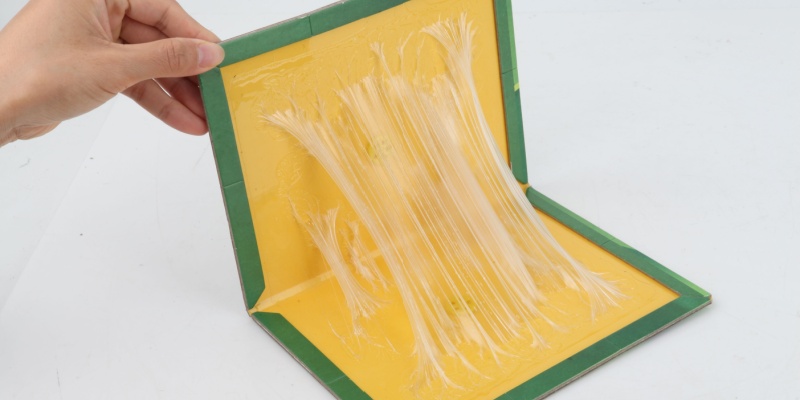
At The Pest Posse Too, we’ve never used glue boards the lazy way. Ours go inside enclosed monitoring stations—sealed units where only the target pest can enter. No lizards. No birds. No curious cats. No traumatized homeowners. Just clean, professional monitoring that tells us exactly what we’re dealing with so we can prescribe the right treatment for the right pest.

A Safer, More Responsible Approach to Pest Control

That brings me to some news I’m pretty fired up about. We’re now a Certified Responsible Glue Trap User (RGTU)—a brand-new industry certification launched by the Academy of Pest Management that sets clear standards for placement, monitoring, non-target protection, and humane handling.

And I’ll be honest with you: our internal standards are actually higher than what the certification requires. We’ve been doing this the right way since 2018. The paperwork just caught up with us. Because here’s what it comes down to—and this is G.U.A.R.D.S. in action:

Gentle First. We use the least toxic, most thoughtful approach.

Responsibility to Protect. That means non-targets too. Your dog, the neighbor’s cat, and the lizard that lives in your garden—all of them.

Deliver Peace of Mind. Nobody—including us—sleeps well knowing an animal suffered when it didn’t have to.

Glue boards aren’t the villain. Careless use of glue boards is the villain. There’s a difference, and it matters.

If you’re in San Luis Obispo, Pismo Beach, Arroyo Grande, Grover Beach, Nipomo, or Shell Beach and you want pest control done the right way—the responsible way—by someone certified to do it, give us a call. We’ve got your back. And we’ve got the lizards’ backs too.

Categories
Ant Control

How Moisture and Ocean Air Contribute to Ant Infestations in Pismo Beach

Homeowners often ask why ant problems in Pismo Beach seem more stubborn than in other parts of California. The answer lies in the coastal climate itself. The mix of humidity, salt air, and damp soil creates an environment where ants don’t just survive—they thrive. By looking closely at how these conditions shape infestations, residents can better understand the risks and take steps to protect their homes.

Persistent Humidity Creates Ideal Nesting Grounds

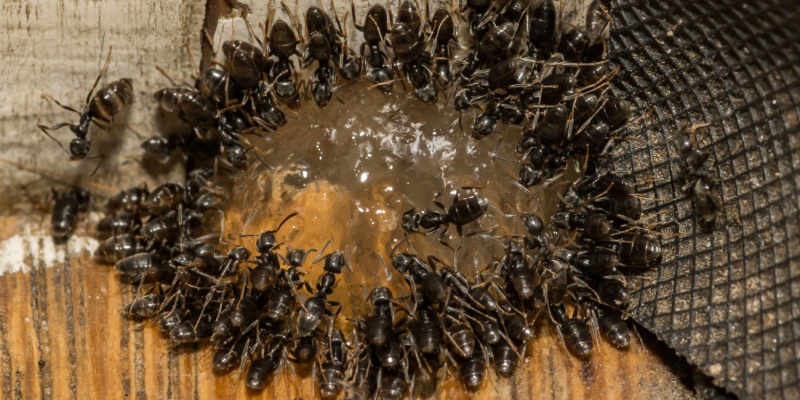
In Pismo Beach, humidity isn’t just a seasonal issue—it’s a constant presence. Ants rely on moisture to regulate their colonies, and the damp air provides exactly that. Crawl spaces, attics, and bathrooms often trap humidity, creating microclimates where ants can nest undisturbed. Unlike inland homes that dry out during summer, coastal properties rarely lose this moisture, which means ants remain active year‑round. This explains why humidity ant infestations in Pismo Beach are more common than homeowners expect.

Salt Air Weakens Home Defenses

Salt carried by ocean breezes slowly wears down building materials. Wood fibers swell, paint peels, and even concrete develops hairline fractures. These subtle changes create entry points that ants exploit. Once inside, they establish trails through walls and flooring, often unnoticed until the colony is well established. For homeowners, this means routine maintenance isn’t just cosmetic—it’s a frontline defense against ants in coastal homes in Pismo Beach.

Moist Soil Around Foundations Attracts Colonies

The soil in coastal areas retains water longer due to fog and ocean moisture. Ants thrive in this damp earth, building colonies close to foundations where warmth and shelter are readily available. Landscaping that hugs the home—such as dense shrubs or mulch beds—intensifies the problem by giving ants a direct path indoors. This is why ant problems in Pismo Beach often begin outside but quickly migrate inside kitchens and living spaces.

Fog and Rain Trigger Sudden Activity

Weather shifts play a big role in ant behavior. After foggy mornings or coastal rain, ants are driven to forage aggressively. Homeowners often notice sudden trails leading to pantries or pet food bowls during these times. The moisture surge stimulates colonies to expand, making infestations feel like they appear overnight. Recognizing this pattern helps residents anticipate when ants are most likely to invade.

Plumbing and Condensation Provide Hidden Water Sources

Inside the home, ants don’t just rely on outdoor humidity. Leaky pipes, condensation around fixtures, and even standing water in laundry rooms mimic the dampness they need. Kitchens and bathrooms become prime targets because they combine water with food sources. Without regular checks, these hidden water supplies can sustain colonies indefinitely, making infestations harder to eliminate without professional help.

Building a Home That Ants Can’t Conquer

Coastal living means moisture is part of daily life, but that doesn’t mean ants have to be. The key is to think beyond quick fixes and focus on long-term prevention strategies that address the unique conditions of Pismo Beach homes.

  • Strengthen the structure of your home: Salt air and humidity gradually weaken foundations and exterior walls. By sealing cracks with durable, weather-resistant materials, you’re not just patching holes—you’re reinforcing your home against the constant wear of the coastal climate.
  • Treat water as the enemy of prevention: Even a slow drip under the sink can become an oasis for ants. Repairing plumbing leaks quickly isn’t just about saving water; it removes one of the most reliable resources ants depend on to survive indoors.
  • Ventilation is more than comfort: Attics and crawl spaces often trap damp air, creating hidden breeding grounds. Installing vents or fans in these areas helps circulate air, reducing the humidity that ants thrive on. Think of it as cutting off their supply chain before they even get inside.
  • Food storage as a frontline defense: Ants are opportunists. By keeping food in airtight containers, you eliminate the reward that keeps them coming back. This simple step turns your kitchen from a buffet into a dead end.
  • Landscaping with intention: Dense shrubs, mulch beds, and ivy pressed against the foundation act like bridges for ants. Trimming vegetation away from the perimeter creates a natural barrier, forcing ants to stay outside where they belong.
  • Balance moisture indoors: Dehumidifiers aren’t just for comfort—they’re a powerful tool in pest prevention. By lowering indoor humidity, you make your home less attractive to ants and other moisture-loving pests.
  • Stay proactive with inspections: Ants are experts at hiding. Regular inspections by trained professionals catch early signs of activity before colonies become entrenched. This proactive approach saves homeowners from costly repairs and recurring infestations.

Climate-Smart Ant Control for Coastal Homes

Humidity, salt air, and damp soil are part of everyday life in Pismo Beach, and they’re exactly what make local homes more vulnerable to ant infestations. These conditions create year-round opportunities for ants to nest, forage, and expand their colonies, which means prevention and treatment must be tailored to the coastal environment rather than relying on one-size-fits-all solutions.

When ants start taking advantage of your coastal home, The Pest Posse Too is here to put a stop to it. Our eco‑friendly treatments are built for the challenges of Pismo Beach living, combining local expertise with solutions that protect families, pets, and property. Contact us today to safeguard your home and enjoy a cleaner, pest‑free space that truly fits the coastal lifestyle.