
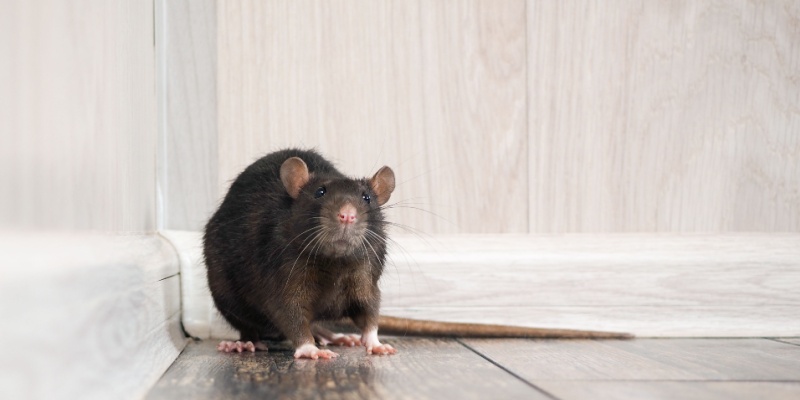
Creating a safe, pest-free home starts with choosing solutions that are mindful of your family and the environment. When rodents find their way indoors, especially in homes with kids or pets, it’s important to act quickly—but also responsibly. At Pest Posse Too, we believe rodent control should be effective without relying on harsh chemicals or risky traps.
Understanding the Risks of Conventional Rodent Control
Rodents can spread disease, damage property, and contaminate food. But many conventional control methods—like poison baits, glue traps, and chemical sprays—introduce risks that are especially concerning in homes with kids or pets.
Here are some common concerns with traditional approaches:
- Rodenticides can cause accidental poisoning if touched or ingested.
- Snap traps may injure curious children or pets.
- Glue traps are inhumane and can trap unintended animals.
- Chemical treatments may leave behind harmful residues.
- Secondary poisoning can occur when pets consume poisoned rodents.
Eco-friendly pest control offers a safer alternative—focusing on prevention, humane removal, and low-toxicity materials that protect your home without compromising health.
Peppermint Oil: A Natural Repellent That Actually Works
Rodents have a powerful sense of smell, and peppermint oil is one scent they instinctively avoid. Soaking cotton balls in peppermint oil and placing them near entry points, under sinks, or inside cabinets can help deter mice and rats without exposing your family to harmful substances. It’s a simple, pet-safe rodent control method that’s surprisingly effective.
What makes peppermint oil especially appealing is its accessibility. You can find it at most health food stores or online, and it’s easy to apply regularly. Just be sure to refresh the cotton balls every few days to maintain potency. For added effect, consider using a diffuser in areas where rodent activity is suspected.
While peppermint oil is a great first step, it works best as part of a broader prevention strategy. It’s not a standalone solution for active infestations but can be a powerful deterrent when combined with other eco-friendly methods. Plus, it leaves your home smelling fresh—an added bonus for any household.
Ultrasonic Devices: Silent, Non-Toxic Defense
Ultrasonic repellents emit high-frequency sound waves that are intolerable to rodents but completely harmless to humans and pets. These plug-in devices are ideal for homes with children, as they don’t involve bait, traps, or toxins. While results can vary depending on placement and room layout, they’re a great addition to a layered rodent prevention strategy.
One of the biggest advantages of ultrasonic devices is their ease of use. Simply plug them into an outlet, and they begin working immediately. They’re especially useful in garages, basements, and attics—areas where rodents often enter and nest. Some models even include motion sensors or night lights for added functionality.
However, it’s important to manage expectations. Ultrasonic devices are most effective when used in conjunction with other methods, such as sealing entry points or maintaining cleanliness. They’re not a magic fix, but they do provide a consistent, non-invasive layer of protection that’s safe for every member of the household.
Humane Traps: Capture Without Cruelty
Snap traps may be effective, but they’re not always safe around curious kids or pets. Humane traps—like multi-catch live traps—allow you to capture rodents without harming them. Once caught, you can release them far from your home. This method aligns with green extermination values and avoids the risks of secondary poisoning.
These traps are designed to be reusable and easy to clean, making them a cost-effective and sustainable option. Many models are enclosed, reducing the risk of accidental contact with children or animals. They also provide a more compassionate alternative to lethal methods, which can be distressing for families.
When using humane traps, placement is key. Position them along walls, behind appliances, or in areas where droppings or gnaw marks are visible. Check them frequently to ensure any captured rodents are released promptly and safely. For best results, pair humane traps with preventative measures like sealing entry points and removing food sources.
Sealing Entry Points: The First Line of Defense
Rodents can squeeze through gaps as small as a dime. Sealing cracks around doors, windows, and utility lines with steel wool or eco-safe caulk is one of the most reliable ways to prevent infestations. This IPM rodent control tactic focuses on exclusion rather than elimination, making it a cornerstone of sustainable pest control practices.
In addition to sealing visible gaps, it’s important to inspect less obvious areas like attic vents, crawl spaces, and the foundation. Installing door sweeps and mesh screens can further reduce access points. These physical barriers are long-lasting and require minimal maintenance, making them a smart investment for long-term protection.
Natural Predators: Let Nature Help
Encouraging natural predators like owls or hawks can help control rodent populations outdoors. Installing owl boxes or maintaining a pet cat can create a deterrent effect. It’s a chemical-free pest solution that works in harmony with your local ecosystem—especially effective in rural or semi-rural areas like parts of San Luis Obispo County.
This method not only supports biodiversity but also reduces the need for human intervention. By creating a balanced environment, you allow nature to do some of the work for you. Just be sure to avoid using rodenticides outdoors, as they can harm these beneficial predators through secondary poisoning.
Clean Living Spaces: Prevention Through Sanitation
Rodents thrive in cluttered, food-rich environments. Keeping your home clean, storing food in airtight containers, and securing trash bins with tight-fitting lids can drastically reduce rodent attraction. These low-toxicity pest management habits are essential for long-term success and are especially important in homes with pets and children.
Regularly cleaning under appliances, sealing pantry items, and promptly addressing spills or crumbs can make a big difference. Even outdoor maintenance—like trimming vegetation and removing debris—can help eliminate hiding spots and nesting areas near your home.
Eco-Conscious Pest Services: When You Need Professional Help
Sometimes, DIY methods aren’t enough. That’s where eco-friendly pest control in San Luis Obispo comes in. Companies like Pest Posse Too offer green rodent control SLO County residents can trust—using reduced-risk materials, integrated pest management strategies, and family-safe extermination techniques. We understand the importance of protecting your loved ones while keeping your home pest-free.
If you’re looking for safe rodent removal methods that won’t compromise your family’s health or your values, reach out to Pest Posse Too today. We’re committed to helping you restore comfort and safety with eco-friendly solutions that truly care for your home.